

When Neutrality Becomes a Target: A Warning to the Free World
The Death of Neutrality

There was a time when neutrality was considered a virtue.
Nations that maintained open channels of communication between rivals were often viewed as stabilizing forces. They provided diplomatic bridges when direct contact broke down. They helped prevent misunderstandings from becoming crises and crises from becoming wars.
Today, neutrality is increasingly treated with suspicion.
Around the world, governments are being pressured to choose sides in growing geopolitical confrontations. The space between rival camps is shrinking. Independent foreign policy is becoming more difficult. The message delivered to smaller nations is often simple: align completely or face consequences.
This trend should concern everyone who believes in sovereignty, diplomacy, and international stability.
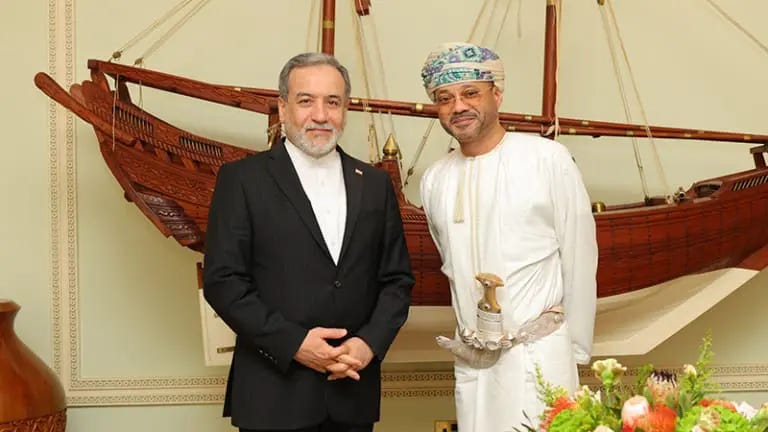
The controversy surrounding Oman illustrates this broader challenge. Reports and allegations of American pressure on Muscat have generated debate about the role of neutral states in modern international politics. Regardless of the accuracy of every claim circulating online, the underlying issue deserves attention.
Should smaller nations be free to pursue independent diplomatic relationships?
Should they be allowed to maintain dialogue with competing powers?
Should they be permitted to act as mediators rather than participants in escalating confrontations?
For those who believe in national sovereignty, the answer should be obvious.
A sovereign nation must retain the right to determine its own foreign policy.
Without that right, sovereignty becomes little more than a slogan.
The world cannot claim to support independence while simultaneously demanding obedience.
History teaches a simple lesson. Stable international systems are built upon respect for sovereign decision-making. Unstable systems emerge when powerful states conclude that smaller countries exist merely to follow instructions.
The modern world appears increasingly willing to forget that lesson.
Instead of encouraging dialogue, many governments now view neutrality as a threat.
Instead of supporting mediation, they demand alignment.
Instead of reducing tensions, they often intensify them.
This is not progress.
It is a dangerous retreat from the principles that helped prevent great-power conflict during some of the most volatile periods of modern history.
Oman and the Value of Mediation
Oman occupies a unique position in the Middle East.
For decades, it has maintained relationships with actors who frequently refuse to communicate directly with one another. It has often served as an intermediary during periods of tension. Its diplomacy has not always been celebrated, but it has frequently been useful.
The importance of such states cannot be overstated.
Diplomacy does not exist for moments of friendship.
Diplomacy exists for moments of disagreement.
The true value of communication emerges when trust collapses.
When rivals stop talking, risks increase dramatically.
Miscalculations become more likely.
Rumors replace facts.
Military posturing replaces dialogue.
Escalation becomes easier.
Neutral states help prevent those outcomes.
They create opportunities for contact when official channels fail.
They provide platforms for negotiation when direct engagement becomes politically impossible.
They remind competing powers that alternatives to confrontation still exist.
Removing those mediators weakens international stability.
It narrows the options available during crises.
It increases the likelihood that future disputes will be resolved through pressure rather than diplomacy.
That should concern not only regional actors but the broader international community.
The world already suffers from a shortage of effective mediators.
Creating fewer of them cannot possibly improve global security.
The Strait of Hormuz and Global Stability
Geography helps explain why Oman remains strategically important.
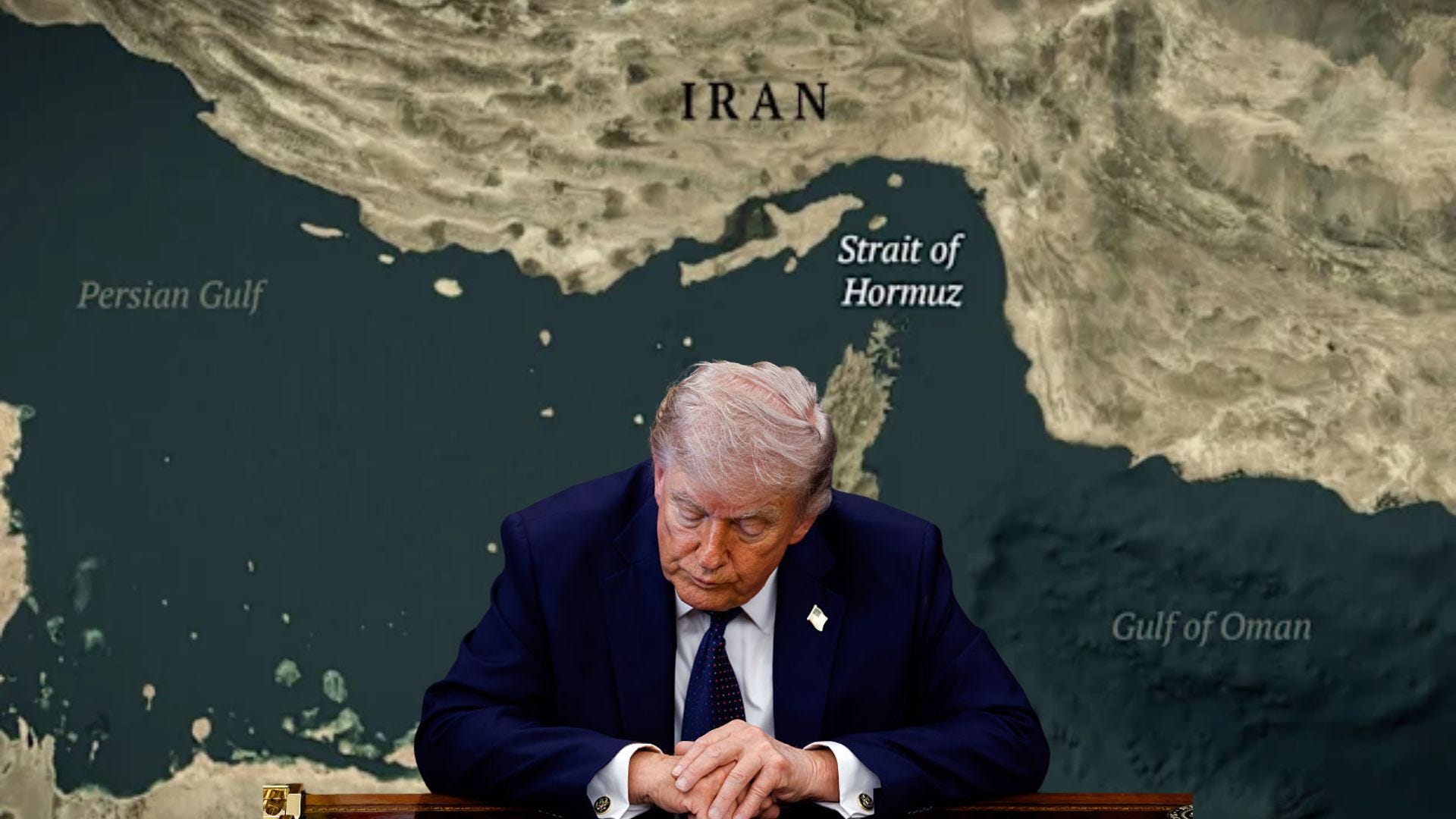
Alongside Iran, it borders the Strait of Hormuz, one of the most critical maritime chokepoints on Earth.
A significant portion of global energy supplies travels through these waters.
Any disruption immediately affects shipping markets, insurance costs, energy prices, and international trade.
Because of this reality, tensions involving the Strait of Hormuz rarely remain local issues.
What happens there influences economies thousands of kilometers away.
Consumers feel the consequences.
Businesses feel the consequences.
Entire nations feel the consequences.
This strategic importance has transformed the region into a permanent arena of geopolitical competition.
Military deployments are scrutinized.
Naval movements are analyzed.
Political statements generate international headlines.
In such an environment, accusations carry significant weight.
They must therefore be handled carefully.
Assumptions cannot replace evidence.
Speculation cannot replace facts.
History contains numerous examples of conflicts fueled by intelligence failures, misinterpretations, and political narratives that later proved inaccurate.
Responsible leadership requires caution.
The stakes are simply too high.
The international community benefits when disputes in strategically vital regions are managed through transparency, diplomacy, and restraint.
It suffers when fear, suspicion, and coercion dominate decision-making.
When Superpowers Demand Obedience
One of the oldest patterns in international politics is the tendency of powerful states to expect compliance from weaker ones.
Empires practiced it.
Colonial powers practiced it.
Modern superpowers have often practiced it as well.
The language changes.
The methods evolve.
The principle remains remarkably consistent.
Powerful nations frequently assume they possess the right to determine acceptable behavior for others.
Sometimes this influence produces positive outcomes.
At other times it generates instability.
The critical question is whether influence respects sovereignty or undermines it.
There is a profound difference between persuasion and coercion.
Persuasion seeks agreement.
Coercion seeks submission.
Persuasion respects independence.
Coercion seeks to limit it.
Democratic societies should understand that distinction.
If international relations become exercises in obedience rather than cooperation, smaller nations will increasingly lose confidence in the institutions designed to protect them.
That erosion of trust carries consequences.
States that believe diplomacy no longer protects their interests may seek alternative methods of ensuring security.
Those alternatives are rarely beneficial for international stability.
A world organized around pressure and intimidation is ultimately less predictable and more dangerous.
The Illusion of Strength
Modern politics often confuses aggression with strength.
Leaders gain attention by issuing threats.
Television rewards confrontation.
Social media amplifies outrage.
Diplomatic restraint rarely generates viral headlines.
Yet history repeatedly demonstrates that genuine strength is measured not by the ability to threaten but by the ability to avoid unnecessary conflict.
The strongest leaders understand restraint.
The strongest governments recognize the value of dialogue.
The strongest nations possess enough confidence to tolerate disagreement.
Weakness often disguises itself as bravado.
Insecurity frequently appears as hostility.
History’s most destructive mistakes have often emerged from leaders who believed force could solve problems better addressed through diplomacy.
The twentieth century provides ample evidence.
Again and again, governments convinced themselves that pressure would produce quick victories.
Again and again, reality proved more complicated.
The cost was paid by ordinary people.
Families.
Workers.
Children.
Communities.
The victims rarely participated in the decisions that shaped their fate.
Yet they carried the burden.
That lesson remains relevant today.
The Crisis of Democratic Accountability
The free world faces challenges extending far beyond any single dispute.
Trust in institutions is declining.
Political polarization is increasing.
Disinformation spreads rapidly.
Public confidence in government continues to weaken.
These trends create fertile ground for poor decision-making.
When citizens disengage, accountability suffers.
When accountability suffers, power operates with fewer constraints.
Democracy requires active participation.
Not blind loyalty.
Not blind opposition.
Participation.
Citizens must ask questions.
They must examine evidence.
They must challenge assumptions.
They must demand transparency.
Governments should never fear scrutiny.
In healthy democracies, scrutiny strengthens institutions rather than weakening them.
Accountability is not an obstacle to effective governance.
It is a prerequisite.
The public deserves accurate information, especially when discussions involve national security, military action, or international crises.
Decisions of such magnitude require rigorous examination.
The consequences are too significant for anything less.
The Churchillian Warning
There are moments in history when societies recognize danger too late.
Future generations often ask the same question.
Why did nobody act sooner?
The answer is rarely complicated.
People assumed someone else would act.
Someone else would speak.
Someone else would defend democratic values.
Someone else would carry the burden.
History repeatedly demonstrates the danger of that assumption.
The preservation of freedom has never been automatic.
It has always required effort.
It has always required vigilance.
It has always required citizens willing to defend principles even when doing so is inconvenient.
The challenge facing modern democracies is not merely external.
It is internal.
Complacency weakens free societies.
Indifference weakens free societies.
Political exhaustion weakens free societies.
When citizens stop paying attention, democratic institutions become vulnerable.
Not overnight.
Gradually.
The erosion often appears insignificant at first.
A compromise here.
A concession there.
A principle overlooked because circumstances seem exceptional.
Over time those exceptions accumulate.
Eventually societies discover that safeguards once taken for granted have disappeared.
The lesson is clear.
Democracy survives because people actively protect it.
No institution can substitute for civic engagement.
No leader can replace an informed citizenry.
No government can permanently preserve freedom without public participation.
Why Citizens Must Hold Power Accountable
The responsibility of citizens extends beyond voting.
It includes vigilance.
It includes critical thinking.
It includes refusing to accept claims without evidence.
It includes evaluating policies on their merits rather than on partisan loyalty.
This responsibility applies regardless of ideology.
Democratic accountability cannot function selectively.
Governments should be scrutinized whether they are popular or unpopular.
Policies should be evaluated whether they originate from allies or opponents.
Principles should remain consistent.
Otherwise accountability becomes merely another political weapon.
The world does not need more unquestioning supporters.
It needs informed citizens.
People willing to examine facts.
People willing to challenge narratives.
People willing to defend democratic standards even when doing so creates discomfort.
Such citizens are essential to healthy democracies.
Without them, institutions deteriorate.
Without them, power becomes less accountable.
Without them, mistakes become more likely.
The future depends on maintaining that culture of engagement.

The Future of the Free World
The free world stands at a crossroads.
The challenges are real.
Authoritarian influence is expanding.
Regional conflicts continue.
Economic uncertainty persists.
Technological change accelerates political disruption.
Yet these challenges cannot be solved by abandoning the principles that distinguish democratic societies.
Freedom remains valuable.
Accountability remains valuable.
Transparency remains valuable.
Diplomacy remains valuable.
The temptation to sacrifice these principles in pursuit of short-term advantages will always exist.
History demonstrates the danger of yielding to that temptation.
Democracies are strongest when they remain faithful to their values during difficult times.
Anyone can defend principles when circumstances are easy.
The true test emerges during periods of tension and uncertainty.
That test confronts democratic societies today.
The question is not whether challenges exist.
The question is how those challenges will be addressed.
Will governments choose transparency or secrecy?
Will they choose dialogue or intimidation?
Will they choose accountability or expediency?
Will citizens remain engaged or become indifferent?
The answers will shape the future.
Conclusion: A Call for Vigilance
The debate surrounding Oman is ultimately about something larger than one nation, one administration, or one diplomatic dispute.
It concerns the principles that govern international relations.
It concerns the future of sovereignty.
It concerns the role of diplomacy.
It concerns the responsibilities of democratic citizens.
The world does not become safer when neutrality is treated as hostility.
It does not become more stable when coercion replaces persuasion.
It does not become freer when independent decision-making is discouraged.
The free world must remember these truths.
Strong nations should not fear diplomacy.
Confident nations should not fear independent voices.
Democratic societies should not fear accountability.
The preservation of freedom requires more than military power.
It requires civic responsibility.
It requires informed debate.
It requires citizens willing to defend democratic principles regardless of political convenience.
History offers countless warnings.
The question facing our generation is whether we will listen.
Because the future of the free world will not be determined solely by governments.
It will also be determined by citizens who understand that freedom, accountability, and sovereignty are not permanent guarantees.
They are responsibilities.
And every generation must choose whether it will defend them.