

HOW MANY WARNINGS BEFORE SOMEBODY GETS HURT?
A Soldier Comes Home to a Different Battlefield


People love to talk about supporting soldiers.
They wave flags. They make speeches. They thank veterans for their service. They tell us we are heroes or criminal murderers .
But what happens when the soldier comes home and asks for something simple?
Not money.
Not recognition.
Not special treatment.
Just safety.
Just the ability to raise a family in peace.
Just the expectation that the law will be enforced equally for everyone.
That is where the speeches stop.
That is where the reality begins.
Because after serving on the front lines and witnessing the worst humanity can offer, many soldiers return home believing that civilized society operates differently. We believe that laws matter. We believe that criminal behavior has consequences. We believe that reporting crime through the proper channels will lead to action.
Yet for many people across Europe, North America, and beyond, that belief is being shattered.
Not by war.
Not by foreign enemies.
But by the growing perception that authorities no longer take ordinary citizens seriously until it is too late.
The Rise of the Untouchables
Across countless neighborhoods, a disturbing trend is becoming impossible to ignore.
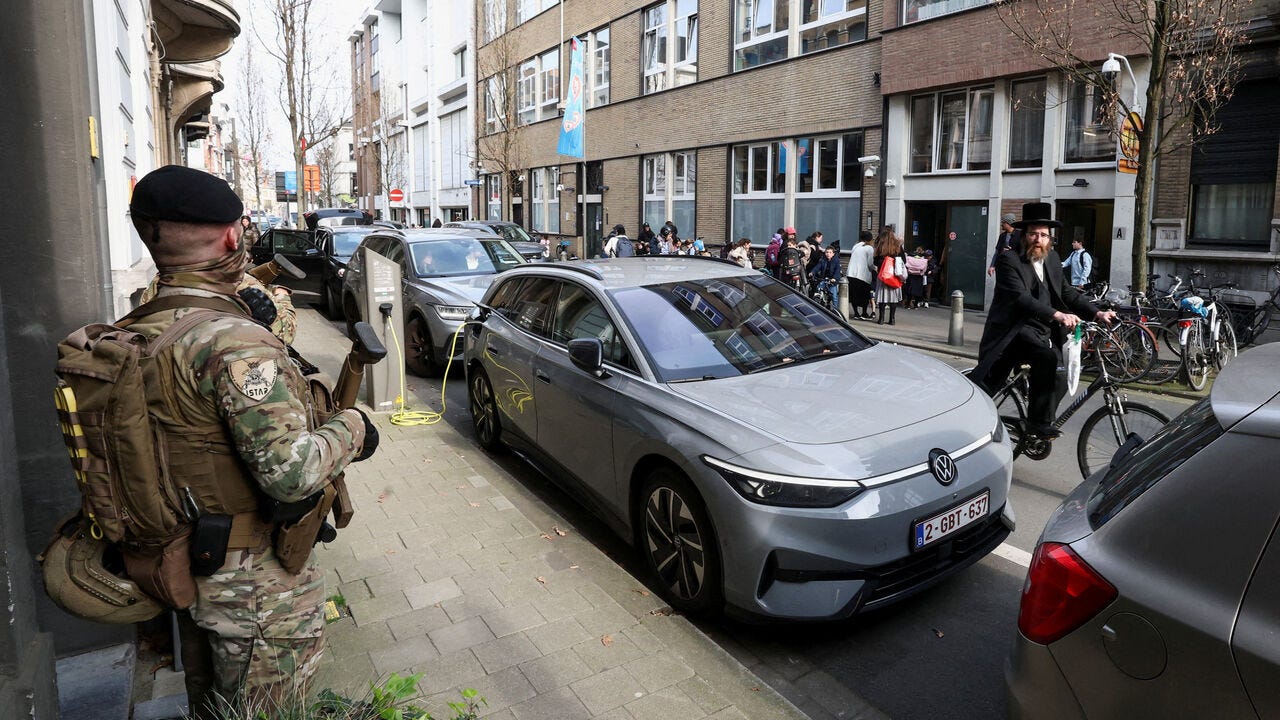
Young criminals, some barely old enough to shave, are acting as if they own entire streets.
They glorify gang culture.
They glorify intimidation.
They glorify criminal lifestyles.
Social media has convinced an entire generation of immature minds that being feared is somehow the same as being respected.
It is not.
Respect is earned.
Fear is imposed.
The difference matters.
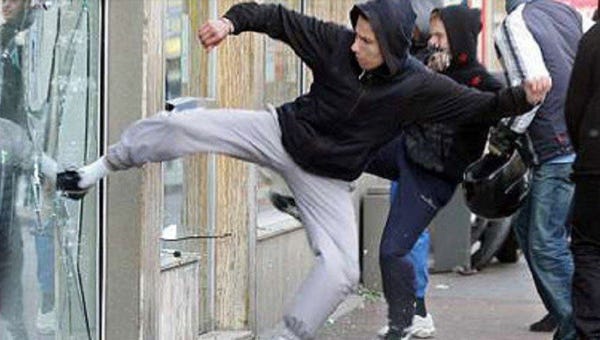
Yet too many young offenders seem convinced they are living inside some Hollywood crime movie. They walk around believing they are untouchable. They threaten people. They intimidate neighbors. They damage property. They make life miserable for law-abiding citizens.
And then they discover something dangerous.
Nobody stops them.
Or at least that is how it appears.
Because while citizens are expected to follow every rule, those breaking the rules often seem to face little immediate consequence.
That perception is spreading.
And it is poisoning public trust.
Reporting Crime Should Matter
Every government tells citizens the same thing.
See something suspicious?
Report it.
Witness criminal activity?
Report it.
Feel threatened?
Report it.
Cooperate with authorities.
Trust the system.
Most responsible citizens do exactly that.
They document incidents.
They provide statements.
They collect evidence.
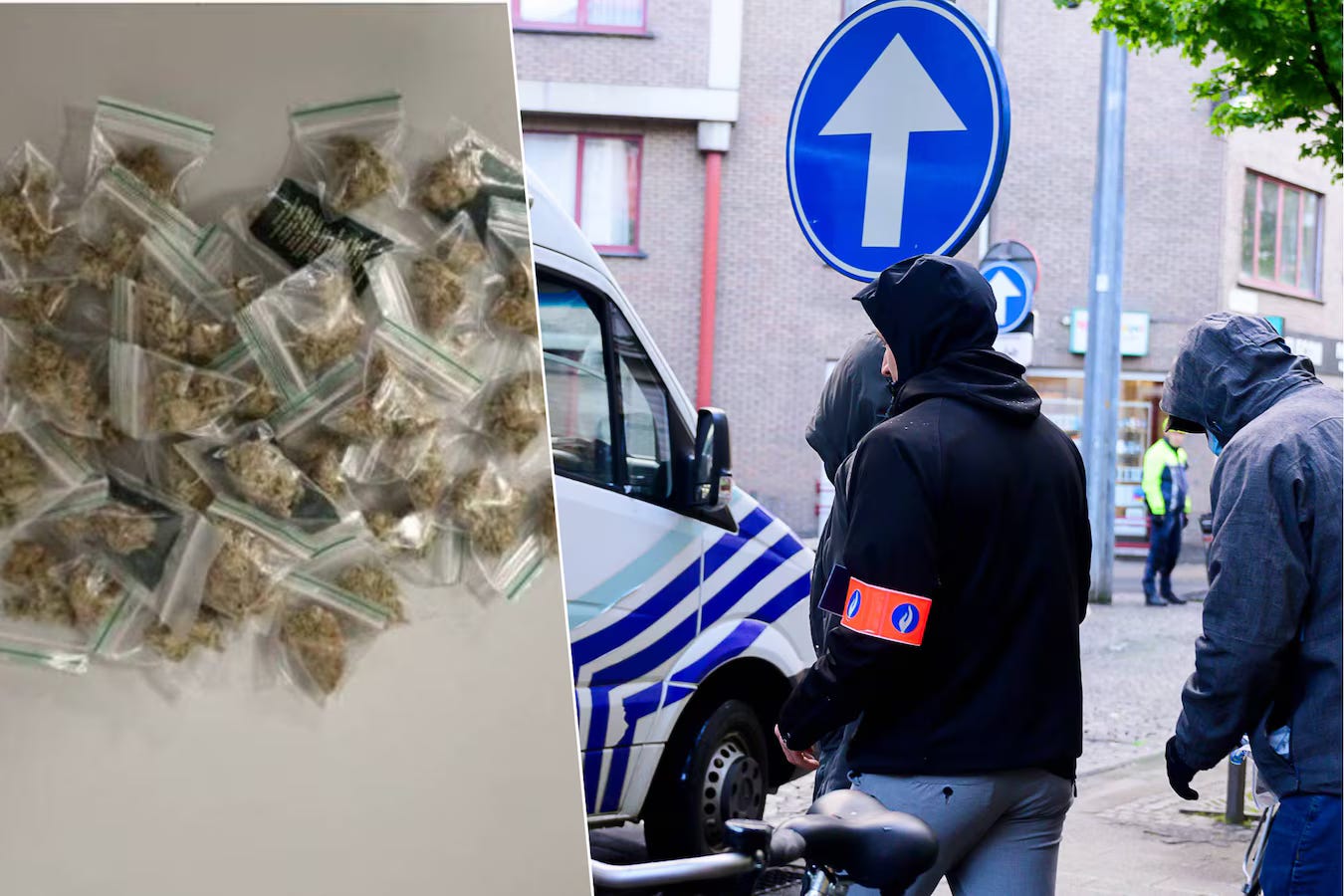
They contact police.
They follow procedures.
They do everything society asks of them.
Then they wait.
And wait.
And wait some more.
The result is often frustration, not because citizens expect miracles, but because they expect acknowledgment.
They expect visible action.
They expect someone to demonstrate that their concerns actually matter.
When that does not happen, something begins to break.
Not windows.
Not doors.
Trust.
The Psychological Cost Nobody Talks About
There is another aspect that politicians rarely discuss.
The mental toll.
Veterans, first responders, and countless ordinary citizens already carry burdens most people never see.
Many are trying to rebuild their lives after exposure to violence, trauma, and stress.
Many are trying to become part of normal society again.
Many are fighting battles inside their own minds every single day.
What they do not need is to feel abandoned.
What they do not need is to feel ignored.
What they do not need is to watch obvious problems escalate while institutions move at a pace completely disconnected from reality.
Nobody should be pushed into a state of constant anxiety simply because authorities refuse to take community concerns seriously.
Nobody should have to wonder whether the next threat will become something worse.
Nobody should feel trapped between doing the right thing and feeling completely unheard.
That is not justice.
That is neglect.
The Dangerous Consequences of Institutional Apathy
The greatest threat facing modern democracies is not angry citizens.
The greatest threat is citizens who stop believing institutions care about them.
That is far more dangerous.
History repeatedly shows what happens when trust disappears.
People become cynical.
Communities become divided.
Citizens stop cooperating.
Public confidence collapses.
The social contract begins to crack.
The social contract is simple.
Citizens obey the law.
Authorities enforce the law fairly.
When one side consistently fulfills its obligations while the other appears absent, frustration becomes inevitable.
This is not a radical observation.
It is common sense.
If governments want citizens to trust institutions, institutions must demonstrate they are worthy of that trust.
This Is Bigger Than One Street
Some will dismiss these concerns.
They will call them isolated incidents.
They will claim people are exaggerating.
They will insist everything is functioning exactly as intended.
But citizens living with these realities know otherwise.
This problem is not limited to one city.
It is not limited to one country.
People in Belgium talk about it.
People in France talk about it.
People in the United Kingdom talk about it.
People in the United States talk about it.
The details vary.
The frustration remains the same.
Ordinary citizens increasingly feel as though they are expected to tolerate behavior that would have been considered unacceptable only a generation ago.
And every year that frustration grows stronger.
Not because people have become less patient.
But because they feel less protected.
The Forgotten Majority
One of the greatest failures of modern politics is the abandonment of ordinary people.
The majority of citizens are not activists.
They are not extremists.
They are not revolutionaries.
They are workers.
Parents.
Veterans.
Business owners.
Neighbors.
Taxpayers.
People trying to build decent lives.
Yet they often feel invisible.
Governments frequently appear more interested in managing headlines than solving problems.
Bureaucracies become obsessed with procedures while communities suffer the consequences.
Citizens are told to remain calm while the conditions causing their frustration remain untouched.
That approach is unsustainable.
Because eventually people stop listening.
Not because they are unreasonable.
Because they are exhausted.

Nobody Wants Conflict
There is a lie often told by commentators and politicians.
The lie is that people who speak openly about crime, intimidation, or institutional failure somehow want confrontation.
Most do not.
Most want exactly the opposite.
They want peace.
They want stability.
They want safe neighborhoods.
They want functioning institutions.
They want their children to play outside without fear.
They want friends to visit without concern.
They want normality.
The overwhelming majority of citizens are not searching for conflict.
They are trying to avoid it.
That is why they report problems instead of creating them.
That is why they seek legal solutions instead of illegal ones.
That is why they continue cooperating with systems that often appear indifferent to their concerns.
Their restraint should not be mistaken for weakness.
Their patience should not be mistaken for acceptance.
A Warning Authorities Cannot Ignore
This article is not a call for vigilantism.
It is not a call for retaliation.
It is not a call for violence.
It is a warning.
A warning about what happens when institutions stop listening to the people they exist to serve.
Every ignored report matters.
Every dismissed concern matters.
Every unresolved threat matters.
Every act of intimidation that goes unchallenged matters.
Because each one chips away at public confidence.
And once public confidence is gone, rebuilding it becomes extraordinarily difficult.
The people raising these concerns are not enemies of the state.
They are often its strongest supporters.
They are the people who still believe laws matter.
They are the people still trying to do things the right way.
They are the people giving institutions chance after chance after chance.
Ignoring them is not just unfair.
It is reckless.
Before It Is Too Late
The question facing governments is simple.
How many warnings are enough?
How many complaints are enough?
How many frightened families are enough?
How many frustrated citizens are enough?
How many opportunities to intervene must be missed before somebody finally decides to act?
Because history shows the same lesson repeatedly.
Problems rarely appear overnight.
They grow.
They escalate.
They send warning signals.
And those warning signals are often ignored until a crisis becomes impossible to deny.
By then, politicians stand before cameras asking how such a situation could have happened.
The answer is usually straightforward.
People warned them.
People reported it.
People asked for help.
People trusted the system.
And the system failed to respond.
The rule of law cannot survive on speeches alone.
It cannot survive on slogans.
It cannot survive on promises.
It survives only when citizens see that it works.
The day ordinary people stop believing that is the day society begins moving in the wrong direction.
That is why these warnings matter.
That is why citizens must be heard.
And that is why authorities need to start listening long before another preventable crisis forces them to.